

When choosing the perfect gemstone, two popular options are lab-grown diamonds and moissanite. Both offer unique benefits, but understanding their differences can help you make an informed decision. In this article, we’ll explore the key differences and advantages of lab-grown diamonds over moissanite.
What Are Lab-Grown Diamonds?

Lab-grown diamonds are real diamonds created in a laboratory setting using advanced technological processes. They possess the same physical, chemical, and optical properties as natural diamonds. These diamonds are grown from a tiny carbon seed of a pre-existing diamond, using either high pressure-high temperature (HPHT) or chemical vapor deposition (CVD) methods.
What Is Moissanite?
Moissanite is a gemstone that was originally discovered in meteorites. Today, it is synthetically created in laboratories. While moissanite resembles diamonds, it is composed of silicon carbide, giving it different properties compared to diamonds.
Key Differences Between Lab-Grown Diamonds and Moissanite
1. Composition and Structure
- Lab-Grown Diamonds: Made from pure carbon, identical to natural diamonds in every way.
- Moissanite: Composed of silicon carbide, which gives it a different crystal structure and properties.
2. Brilliance and Fire
- Lab-Grown Diamonds: Display the same brilliance and fire as natural diamonds, characterized by their ability to refract light and create a sparkling effect.
- Moissanite: Known for its intense fire, which can appear more colorful and flashy than diamonds. Some people may find moissanite’s sparkle to be overly intense or even artificial.
3. Hardness and Durability
- Lab-Grown Diamonds: Score a perfect 10 on the Mohs hardness scale, making them the hardest known material and extremely durable for daily wear.
- Moissanite: Scores 9.25 on the Mohs hardness scale, making it very durable but slightly less so than diamonds.
4. Color and Clarity
- Lab-Grown Diamonds: Available in a range of colors and clarity grades, similar to natural diamonds. High-quality lab-grown diamonds can be virtually indistinguishable from their natural counterparts.
- Moissanite: Generally comes in near-colorless to slightly yellowish hues. While advancements have reduced visible inclusions, moissanite may still exhibit some imperfections.
5. Price
- Lab-Grown Diamonds: Typically more affordable than natural diamonds, but usually more expensive than moissanite but prices are coming down substantially.
- Moissanite: Offers a lower-cost alternative to diamonds, appealing to budget-conscious buyers.
Advantages of Lab-Grown Diamonds Over Moissanite
1. Authenticity
Lab-grown diamonds are real diamonds with the same properties as natural ones. Moissanite, while beautiful, is a different gemstone altogether.
2. Aesthetics
Many people prefer the more subtle brilliance and fire of lab-grown diamonds, which closely mimic natural diamonds without the overly flashy appearance of moissanite.
3. Symbolism
For many, diamonds symbolize eternal love and commitment. Lab-grown diamonds retain this symbolism, whereas moissanite does not hold the same cultural significance.
Conclusion
When comparing lab-grown diamonds to moissanite, lab-grown diamonds offer distinct advantages in terms of authenticity, aesthetics, and cultural significance. While moissanite can be an attractive and budget-friendly option, lab-grown diamonds provide a closer match to the qualities that make natural diamonds so sought after. If you’re looking for a gemstone that combines ethical sourcing with the timeless beauty of a diamond, lab-grown diamonds are an excellent choice.
By understanding these differences and advantages, you can confidently choose the gemstone that best suits your preferences and needs.


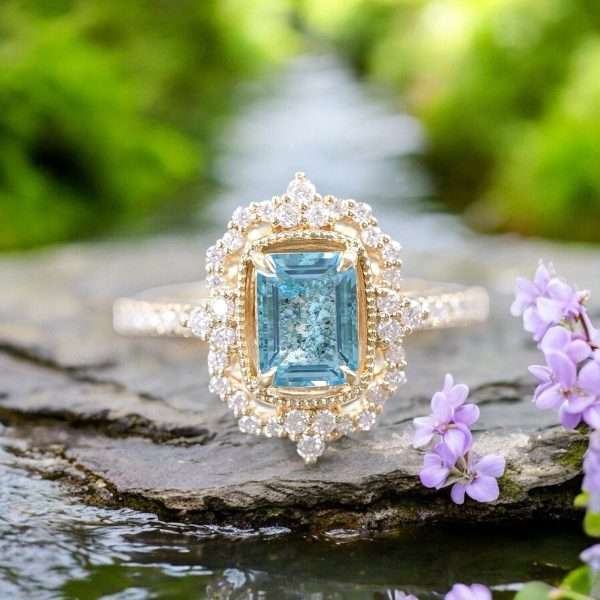
moissonite are more beautiful than diamonds
I have several jewelry pieces with moissonite gems and I love them.. I think they are much prettier and their shine is much more brilliant.
Yes they are lovely, we use them on many of our pieces, it depends on the person and their preferences.